Legacy System Modernization Strategies – How to Change Without Disrupting the Business
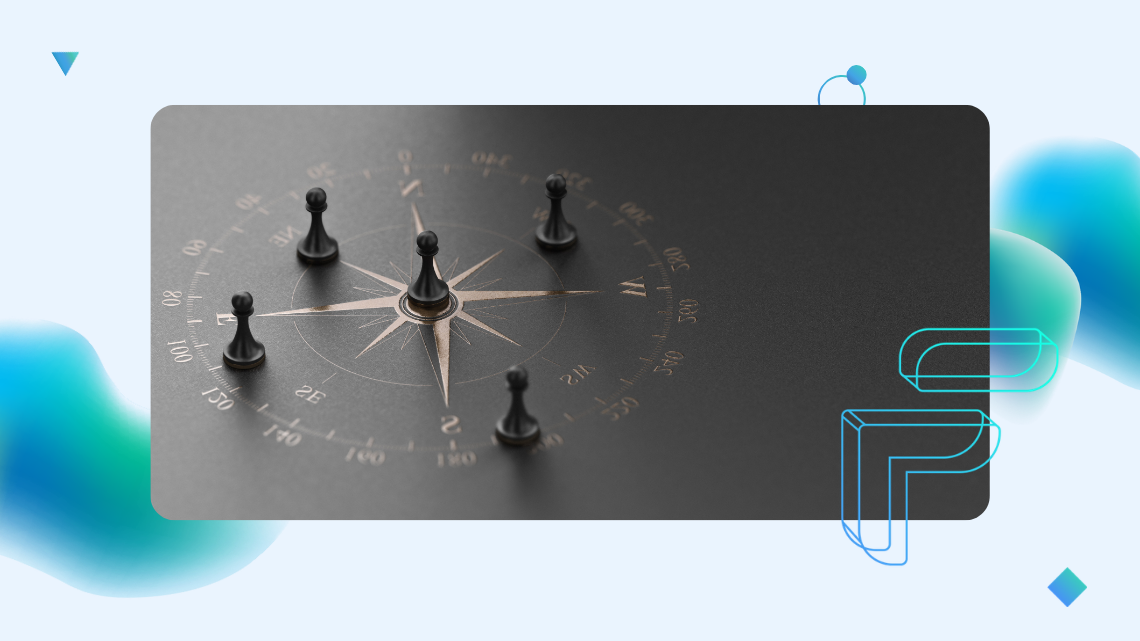
When an organization becomes aware of the risks associated with a legacy system, a seemingly simple question appears: Should we replace the system? In practice, this is the wrong question to start with. Legacy system modernization strategies are not a single scenario – they are a set of approaches that must be adapted to a specific business, technological, and organizational context. A better question is: Which strategy should we choose to reduce risk while enabling further development?
Strategy 1: Keep & Maintain
This is a conscious strategy – although it is often mistaken for “doing nothing”.
When does it make sense? Primarily when the system is stable and fulfills its purpose, it does not block key business initiatives, risks are known and controlled, the cost of change outweighs potential benefits.
What does it involve? It focuses on: monitoring and maintaining the system in its current form, minimal changes (bug fixes, security updates), clearly defining the system’s boundaries – what it will no longer be expected to do.
This is typically a temporary strategy used for systems nearing the end of their lifecycle. It allows organizations to manage the lifecycle consciously rather than reactively.
Strategy 2: Technological Modernization (Replatforming / Refactoring)
In this approach, the system remains in place, but the technical foundation changes. Replatforming a legacy system may include: upgrading technologies or frameworks, migrating to newer infrastructure, improving code quality, introducing automated testing and deployment processes.
Advantages: lower risk than a full replacement, business continuity preserved, improved stability and security.
Limitations: this strategy does not solve architectural or process-related problems, nor does it change the underlying business logic.
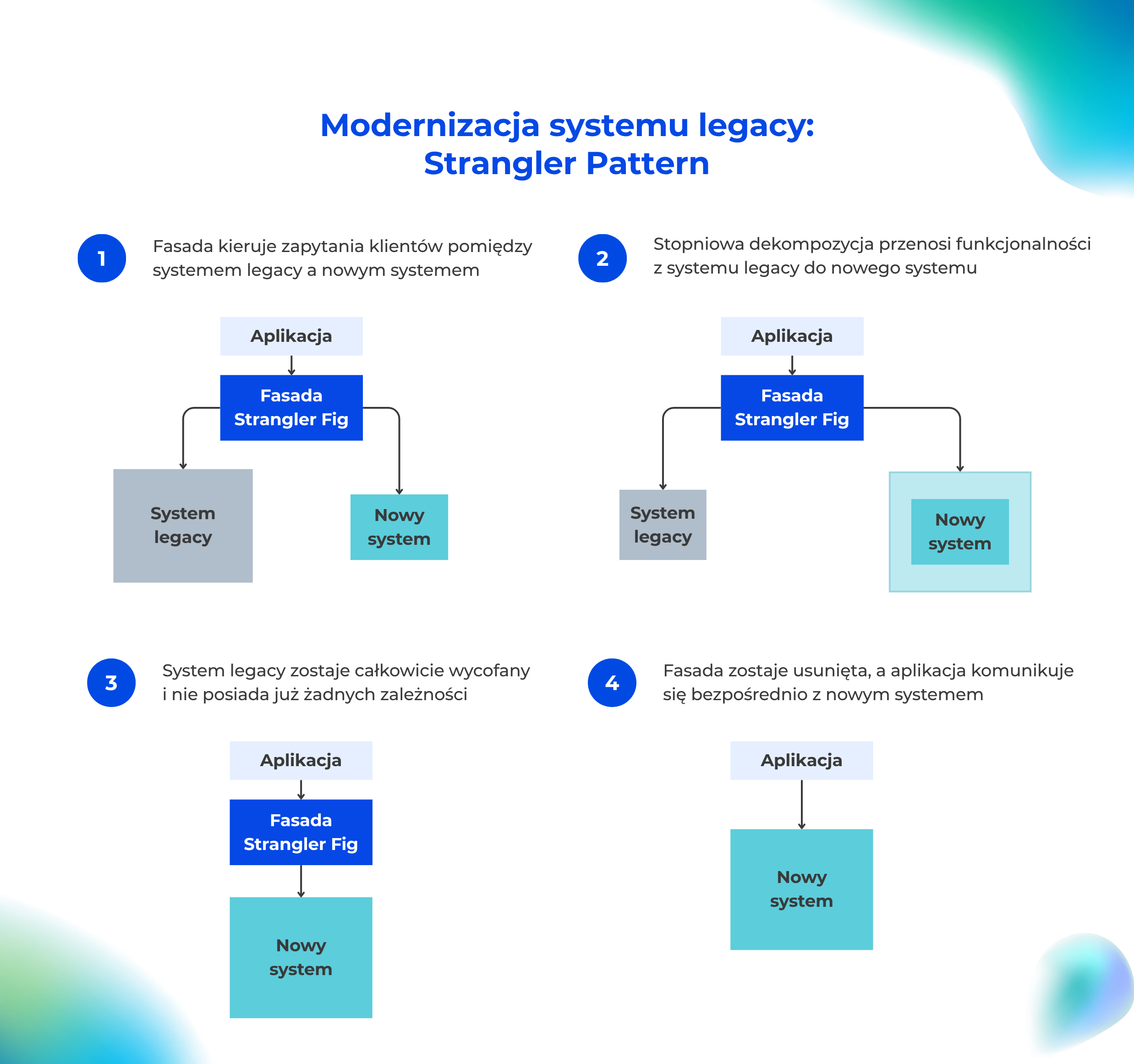
Strategy 3: Gradual Architecture Modernization – The Strangler Pattern
This is one of the safest modernization strategies for mission-critical environments. The strangler pattern works by: developing new functionality alongside the legacy system, gradually retiring old components, surrounding the legacy core with modern services.
A crucial element is automated testing before each iteration. This step is often overlooked. Comparative tests confirm that the new components behave exactly like the legacy ones they replace, ensuring that nothing is lost during the transition.
Benefits: minimized risk, continuous learning during the process, no single “critical cutover moment”.
Although it requires strong architectural discipline, this approach is highly effective when operational continuity is a priority.
Strategy 4: Functional Decomposition
Legacy systems often try to handle too many responsibilities at once. Decomposition focuses on: identifying independent functional areas, gradually extracting them into separate solutions, simplifying the system’s core.
As with the strangler pattern, each iteration should be supported by automated tests that confirm the correctness of the extracted components.
Result: reduced complexity, improved scalability of selected functions, easier development of new features.
Strategy 5: Process Modernization as a Starting Point
Sometimes the real problem is not the system itself, but the processes embedded within it. Before introducing technical changes, it is often worth: mapping the real business processes, identifying workarounds and manual steps, simplifying process logic.
Without this work, technical modernization often preserves existing chaos by transferring old problems into a new architecture.
Strategy 6: Full System Replacement
This is the most risky strategy, but sometimes unavoidable. It makes sense when: the system no longer supports critical business processes, maintenance costs are unacceptable, security risks are too high, the architecture prevents meaningful evolution.
The most common mistakes: attempting to replicate the old system 1:1, skipping the transition phase, underestimating data migration and process changes.
Replacing a system is a transformational project, not merely an IT task.
Which Strategy Should You Choose?
In practice, organizations often combine several of these approaches simultaneously. Different parts of a system may be modernized at different speeds, and strategies may evolve during the process. The key is to understand: the role of the system within the business, the acceptable level of risk, the clear objectives of modernization. Equally important is resisting the big-bang approach.
There is no single best strategy for legacy system modernization. However, there is a strategy that is right for a specific system, organization, and moment in time.
Legacy Documentation Automation
Knowledge about your
system architecture can update itself
Wiedza o architekturze systemu może aktualizować się sama
Instead of manually rewriting code structures and wasting time in Confluence, implement S*.doc.
Our AI agents automatically map your application architecture, while your team gets a RAG bot integrated with Microsoft Teams that can answer any question about the system directly from the source code.
Automatic generation of Java/C# documentation
Code documentation
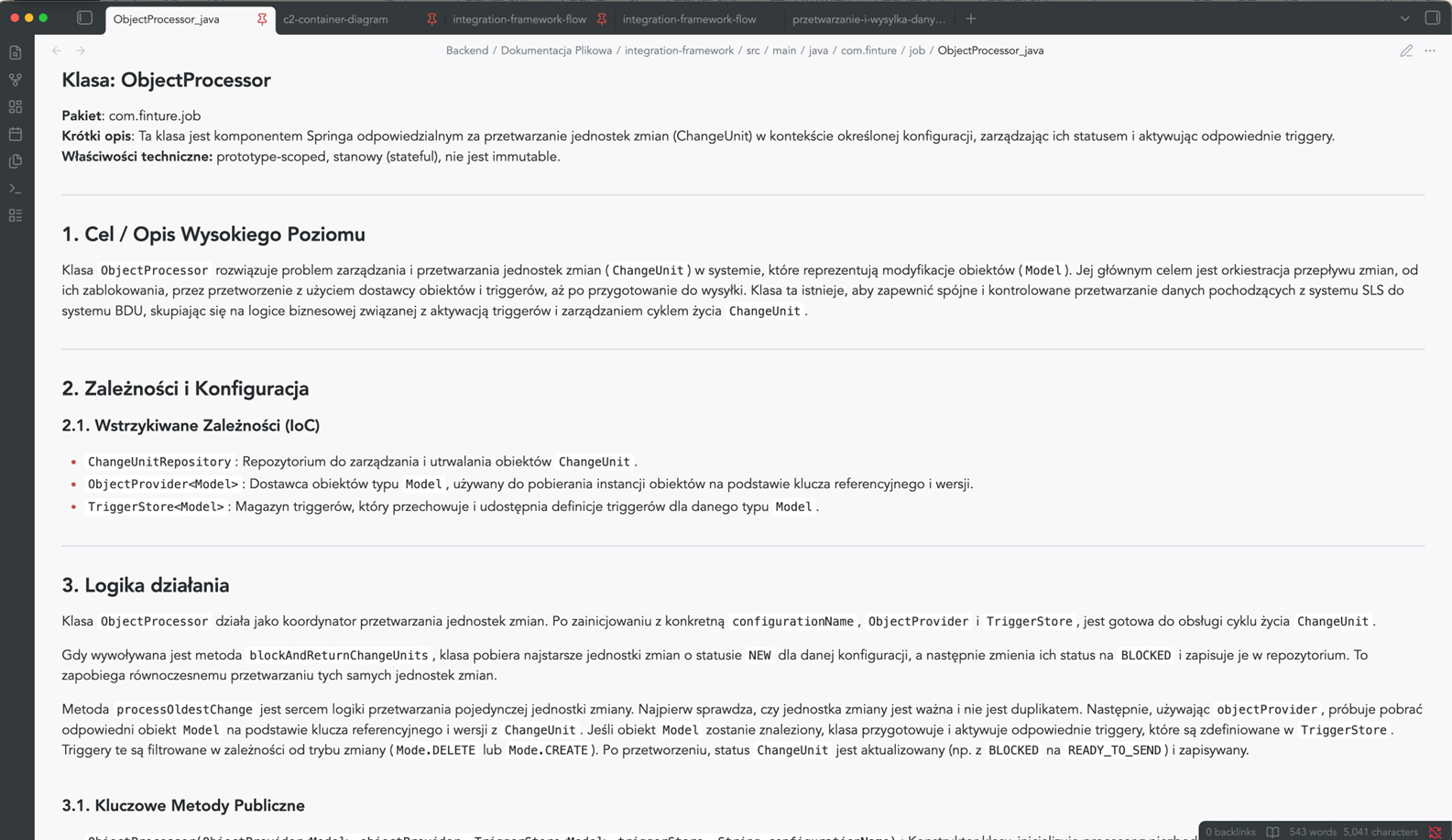
Generated automatically, taking into account the specific features of the programming language – Java, C#, TypeScript, C++. It divides the content into logical sections, omits irrelevant elements and allows you to tailor the type of documentation to the audience: technical for developers or simplified for end users.
- A clear, structured description of each module
- Automatic skipping of boilerplate and generated code
- The ability to generate a report on compliance with safety guidelines or a report on technological optimisation
Architectural visualisation of C4 & Mermaid
Architectural documentation in accordance with the C4 model
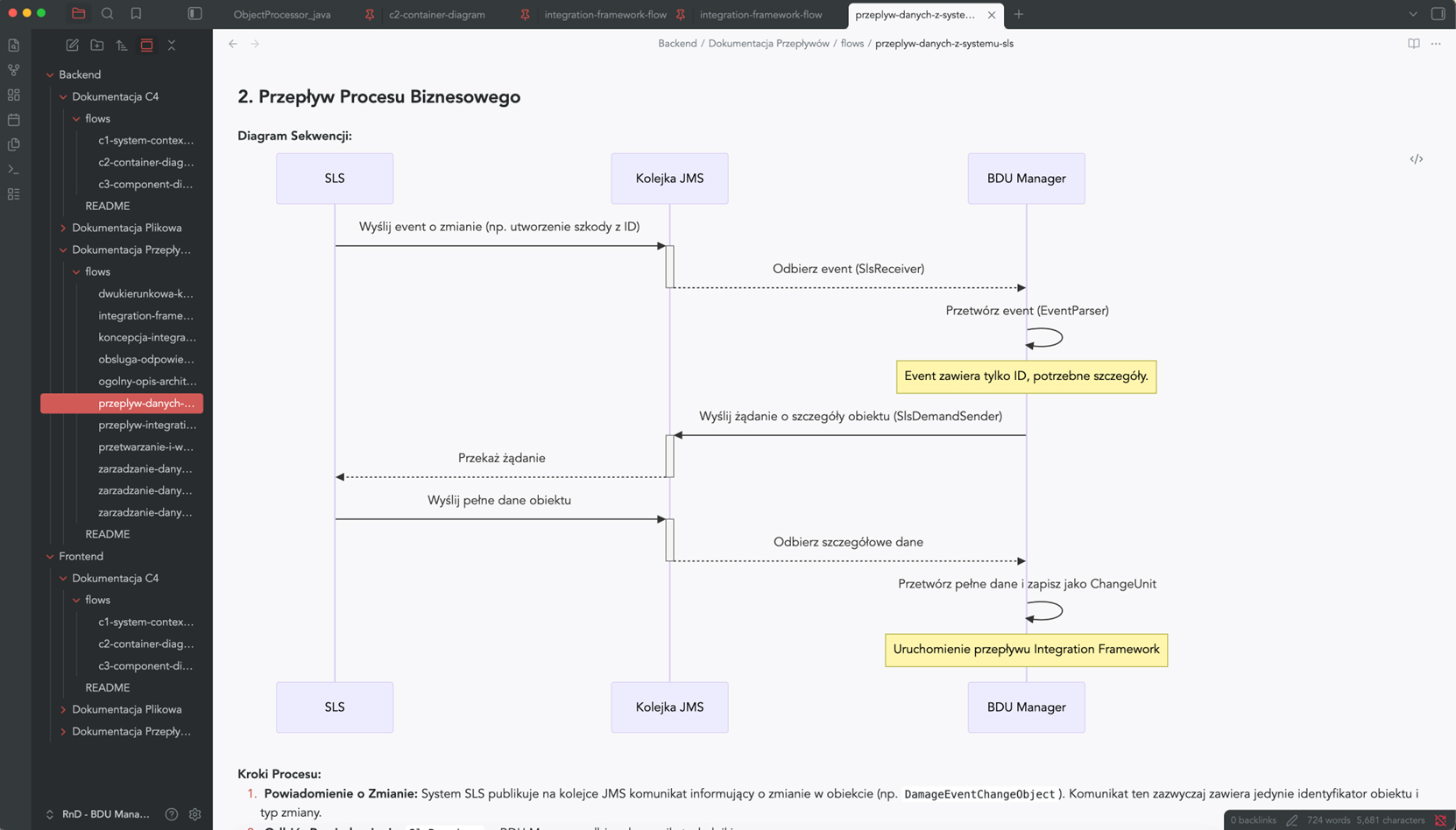
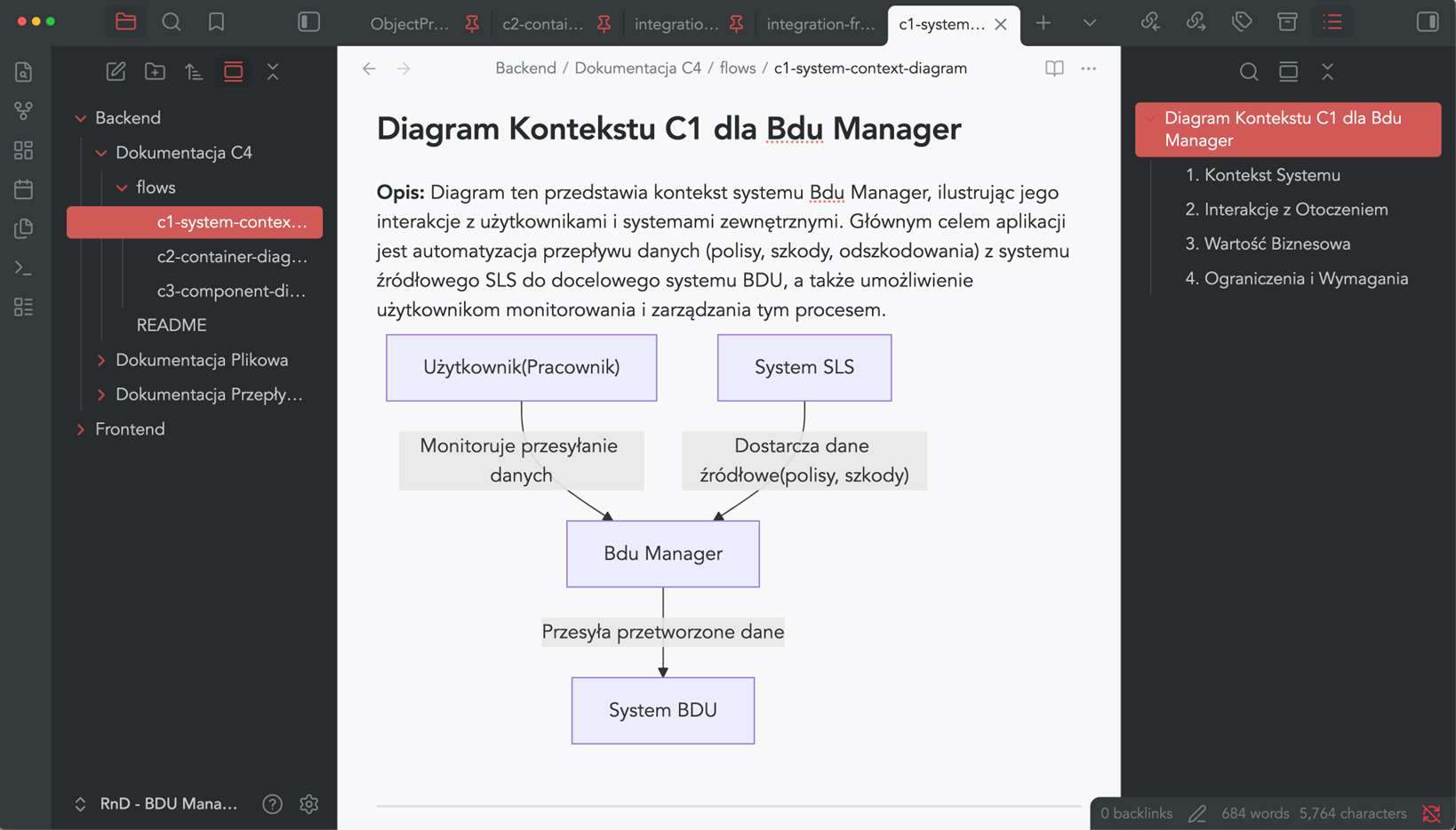
S*.doc automatically generates Mermaid diagrams for the context, container and component views – in accordance with the widely recognised C4 model.
So, no more manually drawing diagrams that become outdated after the first sprint.
- Consistent visual representation of the architecture at various levels of detail
- A clear presentation for the board, auditors and new team members
Business Process Mapping (BPM)
Business process documentation
S*.doc models the flows within the system and how its components interact – process steps, interdependencies between components, and data exchange points.
Instead of asking, “How does it work with other things?” – you can check it out in 30 seconds.
- Visualisation of user journeys and communication between services
- A description of the internal logic in language that is understandable to both business and technical staff
- Support for retrospective code reviews and dependency analysis